
Month: March 2025

The Art of Erotic Massage: Unlocking Sensuality, Connection, and RelaxationThe Art of Erotic Massage: Unlocking Sensuality, Connection, and Relaxation

Erotic massage is a practice that blends the therapeutic benefits of touch with the exploration of sensual pleasure and intimacy. Often misunderstood as a mere prelude to sexual activity, erotic massage is a multifaceted experience that promotes physical relaxation, emotional connection, and heightened sexual energy. It allows individuals to explore the art of touch, discover new ways to communicate with their partners, and open up avenues for deeper intimacy and understanding.

In this article, we will explore the essence of erotic massage, its benefits, the techniques that make it unique, and how to create a safe and enjoyable experience for both participants.

What is Erotic Massage?

Erotic massage is a specialized form of touch that involves intentional, sensual strokes aimed at awakening the body’s senses, increasing sexual arousal, and creating emotional connection between partners. While it often involves erotic and intimate areas of the body, the goal is not simply orgasm or sexual release, but a deeper understanding of one’s own sensuality and the fostering of intimacy in a relationship.

Unlike traditional massage therapies that focus on muscle relaxation or injury recovery, erotic massage focuses on tapping into the body's natural energy through slow, deliberate, and nurturing touch. By engaging erogenous zones—the areas of the body that are particularly sensitive to touch—the experience of erotic massage can help individuals or couples feel more in tune with their bodies, their desires, and each other.

The Key Benefits of Erotic Massage

Erotic massage offers numerous benefits, from physical relaxation to emotional healing. Here are some of the key advantages that make it a worthwhile practice:

1. Deepening Intimacy and Connection

One of the most profound benefits of erotic massage is its ability to foster deeper emotional and physical connection between partners. By engaging in an intimate act that is focused on touch and vulnerability, individuals have the opportunity to communicate on a deeper level and build trust. Erotic massage allows both partners to slow down, relax, and be present with one another, creating an emotional bond that is built on affection and shared experiences.

2. Enhancing Sensual and Sexual Pleasure

Erotic massage encourages the exploration of sensuality and sexual pleasure through touch. The act of massaging sensitive areas of the body, such as the inner thighs, neck, and back, helps to awaken the body’s sexual energy, leading to greater arousal and satisfaction. Erotic massage can serve as a form of foreplay, setting the stage for more intimate moments, but it is also valuable on its own as a way to build anticipation and pleasure.

3. Promoting Relaxation and Stress Relief

Like any form of massage, erotic massage offers the benefit of reducing stress and promoting relaxation. The slow, deliberate strokes and focused touch help release tension in the muscles, calm the nervous system, and soothe the mind. Erotic massage invites participants to focus on the present moment, allowing them to disconnect from external stressors and create a safe space for relaxation and enjoyment.

4. Improving Body Awareness and Confidence

Erotic massage encourages individuals to become more attuned to their bodies, enhancing self-awareness and body appreciation. For both the giver and receiver, it can be an opportunity to explore and embrace sensuality without judgment. Erotic massage helps people become more comfortable with their physicality, which can lead to improved body confidence and a deeper connection to one’s sexual self.

5. Creating a Safe Space for Vulnerability

Erotic massage is a unique opportunity to create a safe, consensual, and intimate space where both individuals can express their desires, needs, and boundaries. The process of engaging in this type of touch requires trust, openness, and communication, all of which are essential for building healthy and fulfilling relationships. Erotic massage, when done with respect and consideration, can be an act of emotional healing and vulnerability, allowing both participants to feel more connected and secure.

Erotic Massage Techniques: How to Set the Mood and Practice the Art

The practice of erotic massage involves a blend of sensual techniques designed to enhance pleasure, stimulate intimacy, and relax the body. While each session can be unique, here are some techniques commonly used in erotic massage:

1. Long, Flowing Strokes

Long, sweeping strokes are one of the most basic and effective techniques used in erotic massage. These gentle, flowing movements are designed to cover large areas of the body, from head to toe, and can help to warm up the muscles and skin. The goal is to establish a rhythm and create a calming, sensual atmosphere. Using oils or lotions helps the hands glide smoothly over the skin, making the strokes feel more luxurious and comforting.

2. Circular Movements

Circular movements, particularly on the back, shoulders, and chest, help to release tension and stimulate circulation. These movements can be light and gentle, focusing on creating a soothing effect, or they can become more intense, depending on the comfort level of both parties. Circular strokes can be especially effective for awakening erogenous zones like the lower back, the base of the spine, and the inner thighs.

3. Kneading and Squeezing

Kneading and squeezing techniques are often used in traditional massage to release muscle tension. In erotic massage, these techniques can be adapted to be more sensual, focusing on soft tissue areas and applying gentle pressure to stimulate pleasure. These movements help increase blood flow to sensitive areas and can create heightened feelings of arousal and warmth.

4. Feather-Light Touch

A feather-light touch is an intimate technique that involves using the tips of the fingers or palms to caress the skin with light, delicate strokes. This can be incredibly effective in awakening the body’s sensitivity, particularly in areas like the neck, face, arms, and thighs. The goal is to increase tactile sensitivity, which can lead to heightened sexual arousal and pleasure.

5. Targeting Erogenous Zones

Erogenous zones—such as the inner thighs, the nape of the neck, the earlobes, and the lower back—are areas of the body that respond particularly well to touch. Erotic massage focuses on gently massaging these zones to stimulate sexual energy and increase arousal. Paying attention to these areas during the massage can significantly enhance the overall experience.

Preparing for a Memorable Erotic Massage

To ensure a fulfilling and safe experience, preparation is key. Here’s how to set the stage for an unforgettable erotic massage:

1. Create the Right Atmosphere

The environment plays a crucial role in setting the mood for an erotic massage. Dim the lights, light candles, and play soft, sensual music to create a calming atmosphere. Make sure the room is warm and comfortable, and consider using aromatherapy oils or incense to enhance the sensory experience.

2. Choose the Right Oils or Lotions

Using high-quality massage oils is essential for a smooth, enjoyable experience. Oils like coconut, almond, or jojoba are commonly used because they glide easily on the skin and are nourishing for the body. You can also choose essential oils with relaxing or aphrodisiac qualities, such as lavender, sandalwood, or ylang-ylang, to enhance the mood.

3. Communicate Openly

Before beginning, discuss boundaries, preferences, and any areas of the body that should be avoided. Communication is essential for creating a comfortable, safe, and enjoyable experience. Let your partner know what feels good and what doesn’t, and encourage them to do the same. This open dialogue will ensure that the massage is pleasurable and consensual.

4. Take Your Time

Erotic massage is not about rushing to an end goal. It’s about enjoying the journey of touch, connection, and exploration. Take your time with each stroke, allowing both you and your partner to fully relax and indulge in the sensations of the moment.

Conclusion: A Sensual Journey of Connection and Pleasure

Erotic massage is more than just a physical act—it’s an opportunity to deepen intimacy, enhance sensual awareness, and explore sexual energy in a mindful and respectful way. By incorporating slow, deliberate strokes, paying attention to erogenous zones, and creating a relaxed environment, hong kong massage can be a powerful tool for building connection and increasing pleasure. Whether done as a form of foreplay or simply as a way to enjoy intimate touch, erotic massage can strengthen bonds, foster trust, and create lasting memories of mutual care and pleasure.
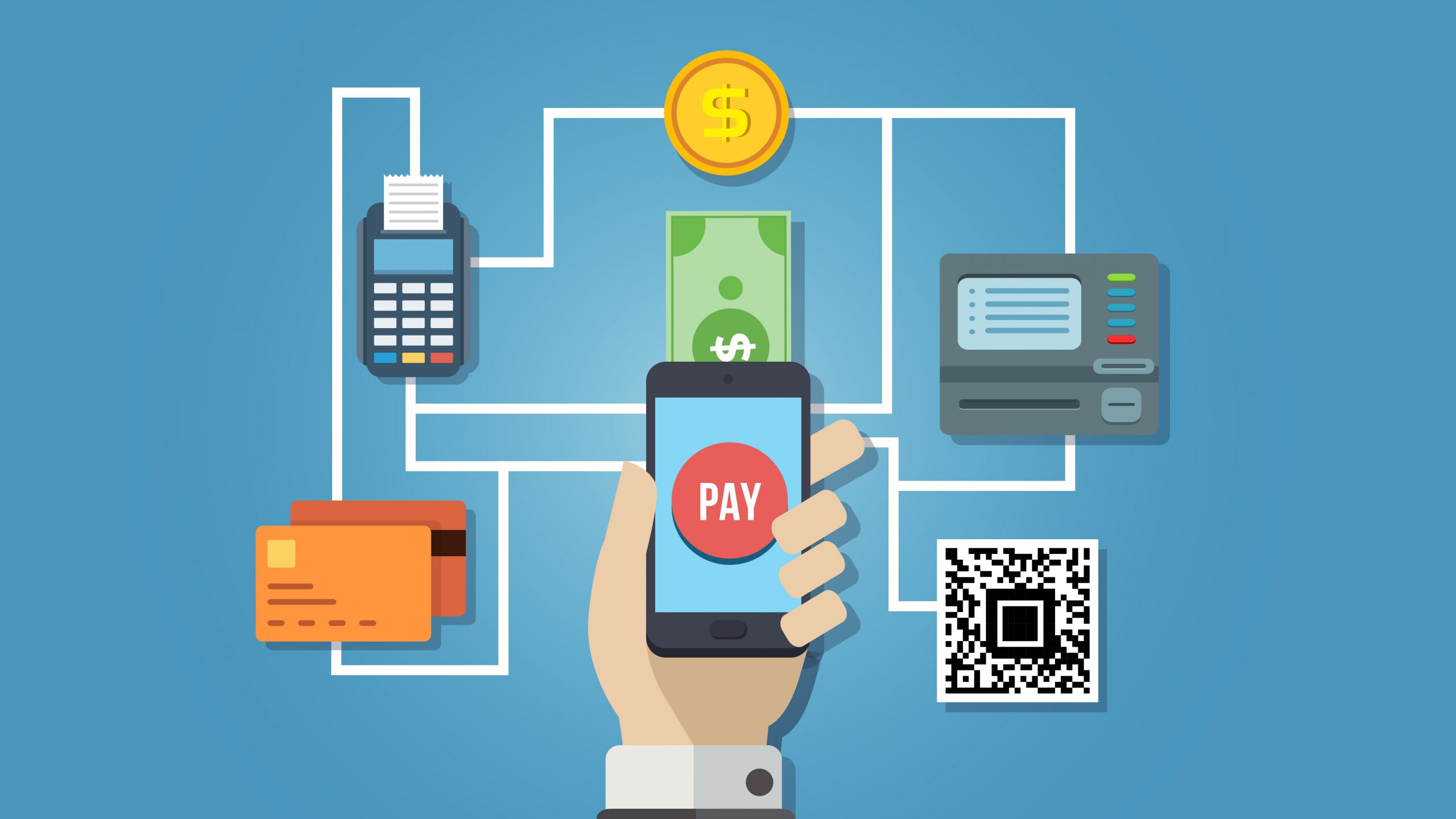
The Evolution of E-Payment: A Modern Solution for a Digital WorldThe Evolution of E-Payment: A Modern Solution for a Digital World

In a world where everything is becoming digital—from communication to shopping, and even banking—the way we make payments has transformed as well. Gone are the days when cash and cheques ruled the financial landscape. The rise of E-Payments has revolutionized the way transactions are conducted, providing a fast, secure, and convenient method for individuals and businesses alike. This article will explore the evolution of e-payment systems, their impact on the economy, and what the future holds for digital transactions.

Understanding qr code payment system

E-payment, or electronic payment, is a form of financial transaction conducted electronically. It eliminates the need for physical cash, allowing users to transfer money, make purchases, or settle bills via digital platforms. E-payments can be made through credit cards, debit cards, online banking systems, digital wallets, mobile payment apps, and even cryptocurrencies. This convenience has made e-payments a cornerstone of modern commerce.

The Rise of E-Payments

The transition from traditional payment methods to e-payments can be attributed to several factors, including advancements in technology, increased internet penetration, and changing consumer preferences.

  1. The Birth of the Internet: E-payments began gaining traction with the advent of the internet in the 1990s. The first major e-commerce platform, Amazon, launched in 1995, offering customers the ability to purchase products online. The need for secure, efficient payment systems quickly became apparent, leading to the creation of digital payment gateways.

  2. Credit Cards and Online Banking: Credit and debit cards were among the first methods of e-payment to go digital. In the 2000s, banks introduced online banking services, allowing users to transfer funds directly from one account to another. This period also saw the rise of third-party payment processors like PayPal, which facilitated transactions for e-commerce sites.

  3. Smartphones and Mobile Payments: The rise of smartphones in the late 2000s gave birth to mobile payment solutions. Apps like Apple Pay, Google Pay, and Samsung Pay allowed users to make payments by simply tapping their phones at retail locations. This added a layer of convenience that further accelerated the adoption of e-payments.

  4. Cryptocurrency and Blockchain Technology: A more recent addition to the e-payment ecosystem is the advent of cryptocurrencies. Bitcoin, launched in 2009, introduced the concept of decentralized digital currency. As blockchain technology gained recognition for its security and transparency, it became an appealing option for cross-border transactions and investments.

Types of E-Payment Methods

There are several types of e-payment methods that cater to different user needs. Some of the most widely used include:

  1. Credit and Debit Cards: One of the most common methods of e-payment, credit and debit cards allow consumers to make instant payments online or in person. These cards are linked to a bank account or a credit line, providing users with an easy way to complete transactions.

  2. Digital Wallets (E-Wallets): E-wallets are digital platforms that allow users to store their payment information and make secure transactions without entering their card details each time. Popular e-wallets include PayPal, Venmo, Apple Pay, and Google Wallet. These services are known for their user-friendly interfaces and fast processing times.

  3. Bank Transfers: Traditional bank transfers have become more digitized with the rise of online banking. Through services like ACH (Automated Clearing House) and SWIFT, users can make secure transfers directly between bank accounts, domestically or internationally.

  4. Mobile Payments: As mobile phones have become integral to daily life, mobile payment apps have seen significant growth. Users can link their bank accounts or credit cards to apps like Google Pay, Apple Pay, and WeChat Pay to make payments in-store or online.

  5. Cryptocurrency: Digital currencies like Bitcoin, Ethereum, and Ripple are gaining popularity as alternative payment methods. These decentralized currencies operate independently of traditional banks and offer a high level of privacy and security.

Benefits of E-Payments

E-payments offer a range of benefits that have made them the preferred choice for modern financial transactions.

  1. Convenience: E-payments are fast and convenient, allowing users to make transactions at any time, from anywhere. There is no need to carry physical cash, and many services allow for one-click payments.

  2. Security: Security is a key factor in the widespread adoption of e-payments. Digital payment systems use encryption and multi-factor authentication to protect users' personal and financial data. This makes them safer than carrying cash or writing checks.

  3. Global Accessibility: E-payments have broken down geographical barriers. Consumers and businesses can make payments to anyone around the world, eliminating the need for physical currency exchanges or long processing times.

  4. Cost-Efficiency: For businesses, e-payments reduce the cost of handling cash, processing checks, and maintaining physical stores. Transaction fees are generally lower than those associated with traditional banking services.

  5. Record-Keeping: E-payments generate an automatic record of transactions, making it easier for individuals and businesses to track their finances. This is particularly useful for tax filing, budgeting, and auditing.

Challenges and Concerns

While e-payments offer numerous benefits, they are not without challenges. Some of the major concerns include:

  1. Security Risks: Despite advancements in encryption and fraud detection, e-payment systems are still vulnerable to cyberattacks, hacking, and identity theft. Users need to be cautious and ensure that their devices and payment systems are secure.

  2. Lack of Internet Access: In many developing regions, access to reliable internet and smartphones remains limited. This digital divide can hinder the adoption of e-payments, leaving a large portion of the population without access to modern payment methods.

  3. Privacy Issues: E-payment platforms collect a vast amount of personal and financial data, raising concerns about privacy. Users may be wary of sharing sensitive information with third-party providers, especially in light of past data breaches.

  4. Regulatory Compliance: As e-payments become more prevalent, governments around the world are developing regulations to ensure that they are safe and secure. This includes anti-money laundering laws, consumer protection regulations, and tax reporting requirements, which can be difficult for businesses to navigate.

The Future of E-Payments

The future of e-payments is bright, with several key trends expected to shape the industry:

  1. AI and Machine Learning: Artificial intelligence (AI) is expected to play a significant role in enhancing fraud detection, automating customer support, and providing personalized payment experiences. Machine learning algorithms can identify unusual payment patterns and prevent fraudulent transactions in real-time.

  2. Biometric Authentication: Biometric technologies such as facial recognition, fingerprints, and voice identification are becoming increasingly popular for secure payment authentication. These methods are not only more secure but also more convenient than traditional password-based systems.

  3. Blockchain Integration: Blockchain technology is set to revolutionize cross-border payments by offering secure, transparent, and cost-effective alternatives to traditional banking methods. Cryptocurrencies and blockchain-powered solutions could reduce transaction costs and eliminate intermediaries.

  4. Financial Inclusion: The rise of mobile banking and fintech services is expected to drive financial inclusion, providing underserved populations with access to banking and e-payment systems. This will help bridge the digital divide and empower individuals in developing countries.

  5. Smart Contracts and IoT Payments: The integration of the Internet of Things (IoT) with e-payment systems could enable automatic payments for services and products. For example, a smart fridge might automatically reorder groceries, or a car might pay for its parking without the need for human intervention.

Conclusion

E-payments have transformed the financial landscape, providing a more convenient, secure, and accessible way to conduct transactions. As technology continues to evolve, we can expect even more innovative solutions that will further streamline and enhance the way we make payments. Despite the challenges—such as security concerns, privacy issues, and regulatory hurdles—the future of e-payments remains promising, with advancements in AI, blockchain, and mobile technology paving the way for a more connected and efficient financial ecosystem.

Diamonds: The Unyielding Gem of Nature and InnovationDiamonds: The Unyielding Gem of Nature and Innovation

Diamonds have long been cherished as symbols of enduring love, wealth, and beauty. Their timeless appeal has transcended generations, cultures, and even scientific fields, making them a uniquely versatile gemstone. While they are most often associated with engagement rings and fine jewelry, diamonds also play a crucial role in various industries, from cutting-edge technology to scientific exploration. In this article, we will uncover the multifaceted nature of diamonds, exploring their origins, uses, and the ethical considerations surrounding their production.

1. The Origins of Diamonds: Nature’s Miracle

Diamonds form deep within the Earth under extraordinary conditions. At depths ranging from 90 to 120 miles below the Earth's surface, intense pressure and heat cause carbon atoms to crystallize into a diamond's unique structure. This process can take millions of years, making diamonds some of the oldest naturally occurring materials on Earth.

Once formed, diamonds are brought to the surface through volcanic eruptions, which create kimberlite pipes—funnels of rock that allow diamonds to reach the Earth's crust. These eruptions carry diamonds from their deep origins to the surface, where they are then extracted and cut into the stunning gemstones that are treasured worldwide.

The formation of diamonds under such extreme conditions contributes to their renowned strength and brilliance. As the hardest known natural material, diamonds are unparalleled in their ability to resist scratches and retain their clarity and shine over time.

2. The Allure of Diamonds: Cultural and Emotional Significance

Diamonds have captivated humans for thousands of years, and their allure goes far beyond their physical beauty. Throughout history, they have been associated with power, prestige, and eternal love. In ancient India, diamonds were seen as sacred objects, symbolizing the divine and believed to possess protective and healing powers. The belief that synthetic diamond screener s could enhance strength and provide invincibility led to their use by warriors and kings.

In the West, diamonds have long been tied to royalty and the elite. European monarchs, starting with the French kings, often wore diamonds as a display of their wealth and power. The most famous example is the Hope Diamond, which was once part of the French royal collection before making its way into the hands of collectors and institutions.

The modern association between diamonds and romantic love was solidified in the 20th century with De Beers' iconic "A Diamond is Forever" campaign. This marketing strategy transformed diamonds into the ultimate symbol of love and commitment, particularly through their use in engagement rings. Today, diamonds remain a deeply emotional symbol, often representing milestone moments like engagements, weddings, and anniversaries.

3. The Science of Sparkle: How Diamonds Achieve Their Dazzling Brilliance

What makes diamonds stand out is not just their size or rarity, but their ability to reflect light in a way that no other gem can. A diamond's brilliance, or sparkle, is primarily due to its cut. The precise arrangement of facets in a diamond allows it to reflect light in such a way that it bounces off the surfaces within the stone, creating its iconic shine. The cut of a diamond is an art form in itself, with professionals carefully shaping the gem to maximize its natural sparkle.

The clarity of a diamond also plays a role in how it shines. Diamonds with fewer internal flaws, known as inclusions, allow light to pass through more easily, enhancing their brilliance. Additionally, diamonds with minimal color tend to sparkle more since they allow more light to reflect off their surfaces. Lastly, the carat weight of a diamond impacts its size, with larger diamonds typically being more valuable.

A well-cut diamond will have a perfect balance of brilliance, fire (colored flashes of light), and scintillation (the sparkle seen when the diamond is moved). This combination of factors gives diamonds their signature visual appeal.

4. Diamonds in Industry: Beyond Jewelry

While diamonds are most famous for their use in jewelry, they also play an essential role in various industries due to their unique properties. Their unmatched hardness makes them indispensable in cutting, grinding, and drilling operations.

Diamonds are commonly used in industrial tools such as saw blades, drill bits, and grinding wheels to cut through tough materials like metal, stone, and concrete. These tools are used in manufacturing, construction, mining, and even in the creation of other gemstones. The ability of diamonds to cut through virtually any material without deteriorating ensures their continued demand in these sectors.

In recent years, diamonds have also found applications in technology. Their extraordinary thermal conductivity makes them ideal for use in electronics and high-performance computing. Diamond-based semiconductors are being developed for use in lasers, light-emitting diodes (LEDs), and other advanced electronic devices, where their ability to dissipate heat efficiently can prevent overheating and improve performance.

Moreover, diamonds are increasingly being explored for use in quantum computing, where their unique atomic structure may offer new ways to process information at unprecedented speeds and efficiencies.

5. Ethical Diamonds: Addressing Concerns About Mining Practices

The diamond industry has faced significant ethical scrutiny, particularly in regard to conflict diamonds or blood diamonds. These diamonds are mined in war zones and sold to finance armed conflict, often involving human rights violations and exploitative labor practices. To address this issue, the Kimberley Process Certification Scheme was established in 2003 to prevent the trade in conflict diamonds by ensuring that diamonds are sourced from regions not involved in conflict.

Despite these efforts, challenges remain, as the Kimberley Process has been criticized for its loopholes and lack of enforcement in some regions. This has led to growing consumer demand for ethical diamonds—stones that are mined in compliance with labor and environmental standards.

Lab-grown diamonds have become an increasingly popular alternative, offering a sustainable, conflict-free option. Created in controlled environments using high-pressure, high-temperature methods or chemical vapor deposition, lab-grown diamonds are chemically identical to natural diamonds. They have the same brilliance, durability, and beauty, but without the environmental and ethical concerns tied to traditional mining practices. As technology advances, the cost of producing lab-grown diamonds continues to decrease, making them a more accessible and ethical choice for many consumers.

6. The Future of Diamonds: Sustainability and Technological Advancements

The future of diamonds lies in both sustainability and innovation. As demand for eco-friendly and ethically sourced products continues to grow, the diamond industry is shifting toward more sustainable practices. Efforts are being made to reduce the environmental impact of diamond mining, including using more energy-efficient mining processes and restoring mined lands.

Lab-grown diamonds are poised to play a significant role in the future, offering a sustainable alternative without compromising on quality. As they become more mainstream, they could change the diamond market, providing consumers with more options for responsibly sourced, environmentally friendly diamonds.

On the technological front, diamonds will continue to be explored for their potential in fields such as quantum computing, medicine, and energy storage. Their unique properties—particularly their ability to conduct heat and light with minimal energy loss—make them invaluable in the development of next-generation technologies. As research into diamond-based materials progresses, we may see them become integral components of everything from high-speed computers to medical diagnostic devices.

Conclusion: Diamonds—A Legacy of Beauty and Innovation

Diamonds have earned their place in history as symbols of love, wealth, and resilience. Their formation deep within the Earth and their stunning ability to capture light have made them an object of fascination for centuries. While diamonds are most commonly associated with jewelry, their impact extends far beyond adornment, influencing industries, technology, and scientific advancements.

As the diamond industry evolves to meet the demands of ethical sourcing and sustainability, the gemstone's legacy will continue to shine brightly. Whether in the hands of royalty, adorning an engagement ring, or powering cutting-edge technology, diamonds will remain a symbol of nature’s brilliance and humanity’s ingenuity.

Prime Problems To Keep In Online GamingPrime Problems To Keep In Online Gaming

On line gaming has developed the gambling byplay, letting people to have the vibrate of card-playing from the ease of their homes. From old-fashioned casino activities like salamander, blackjack, and toothed wheel to modern font innovations like eSports betting and live supplier games, online gaming offers a comp variety of options. The console, handiness, and field of study advancements have produced on line gambling a multi-billion-dollar commercialise with an augmentative total of individuals worldwide.

The idea of on line gambling appeared in the mid-1990s when the first on line casinos were launched. Since that time, a has developed greatly, establishing to new technologies and client demands. Early online gambling programs were restrained in characteristics, but today's gambling sites offer advanced graphics, live-streamed dealers, physical science Sojourner Truth(VR) experiences, and cardboard news(AI)-driven gaming solutions.

With the of smartphones, living thing gambling has become a slew. Cellular apps and open websites have permitted users to put bets and activities on the go. Whether on Android, iOS, or tablets, mobile gaming provides convenience, rental players to participate in their front-runner games any time, anywhere. This has significantly added to the industry's speedy expanding upon.

Online gambling encompasses many forms of betting, including sports betting, online casinos, stove poker rooms, lotteries, bingo, and eSports card-playing SEXY24HR Each kind caters to another hearing, offer special gambling experiences. While standard gambling casino activities stay park, sports sporting and eSports gambling have attracted a new wave of young gamblers.

AI has transformed the online gaming landscape painting, improving client cognition and security. AI-powered calculations psychoanalyze player conduct, identify fraudulent actions, and ply custom-built gambling recommendations. That engineering assists gambling operators meliorate consumer wedding party and wield a fair and procure play environment.

Blockchain engineering and cryptocurrencies like Bitcoin, Ethereum, and Litecoin have created on the web gambling safer and obvious. Several gambling websites now take cryptocurrency transactions, offering faster payouts, lower charges, and hyperbolic anonymity for players. Blockchain technology guarantees that lark results continue provably fair, avoiding use or fake.

One of the very most essential innovations in on the web gaming is live trafficker games. These activities retroflex the real-life gambling casino knowledge by facultative players to talk with homo Peter Sellers via live-streamed video. Activities such as for example stay blackmail, live toothed wheel, and stay baccarat offer a taste panorama that traditional on line games lack. 

Jersey Design: Merging Art, Technology, and IdentityJersey Design: Merging Art, Technology, and Identity

Jersey design is a field that uniquely combines aesthetics, functionality, and cultural significance. A jersey is more than just a piece of clothing; it represents identity, tells a story, and has the power to ignite passion in both athletes and fans. Whether it’s a high-performance piece of sportswear or a casual item worn by fans, jersey design plays an integral role in both sports and fashion industries. Over the years, it has evolved into a sophisticated fusion of art, technology, and branding.

The Role of Jerseys in Modern Culture

Jerseys have transcended their original purpose as simple athletic gear. Today, they are a key component of modern culture, used not just in sports but also as fashion statements and symbols of belonging. For athletes, a jersey is a vital tool for performance, but for fans, it is a powerful statement of loyalty, pride, and personal identity. Whether worn in a stadium, at a party, or on the streets, a jersey has become a piece of wearable art that connects people to the sports or teams they love.

  1. Team Representation The most obvious purpose of a jersey is to represent a team. From professional soccer leagues to high school sports teams, jerseys are used to unify players and distinguish teams from one another. A well-designed jersey instantly conveys a sense of community and solidarity, creating an unspoken bond between players and their supporters.

  2. Fan Culture Jerseys are also central to fan culture. The act of wearing a team’s jersey is a form of showing allegiance and support. It's a way for fans to feel connected to the game, players, and the team’s journey. Jerseys often go beyond just team colors and logos—over time, they become deeply intertwined with personal memories, significant moments, and celebrations of wins and losses.

The Evolution of Jersey Design

In the past, jerseys were often plain, utilitarian items with minimal attention to design. Over time, however, they have evolved into intricate and stylish pieces of clothing. From the fabric choices to the graphics and patterns, modern jerseys are designed with both form and function in mind.

  1. Early Beginnings: Simple and Practical Early jerseys were made from basic fabrics like wool or cotton, offering little more than basic coverage and comfort. The designs were rudimentary, often featuring solid colors and simple numbers. Teams began to use color to identify themselves, though, and as sports grew more popular, so did the importance of a jersey’s appearance.

  2. Technological Advancements: Innovation in Fabric As sports evolved, so did the technology behind the fabrics used in jerseys. The introduction of synthetic materials like polyester revolutionized jersey design. These fabrics were lightweight, durable, and moisture-wicking, improving comfort during athletic activities. This allowed athletes to perform at higher levels while staying cooler and drier.

  3. Bold Designs and Fashion Influence In recent decades, jersey design has become more closely tied to fashion. Designers began to experiment with bold graphics, unique color combinations, and personalized touches. Teams embraced more creative and intricate patterns, often drawing inspiration from street fashion and pop culture. Jerseys are now seen as much more than athletic gear—they are stylish garments that transcend the field of play.

  4. Fan-Centered Design Over time, fan-driven design has emerged as a driving force in jersey design. Jerseys are not only made for players but are also designed to be worn by fans. These designs consider factors like comfort, versatility, and personal connection to the team. Fans can wear their jerseys proudly, whether in a stadium, at home, or in a casual setting. Customization has also become a key part of this evolution, with fans being able to add their names, favorite players’ names, and other unique touches to their jerseys.

Key Elements of Jersey Design

Jersey design is a carefully balanced process that integrates various components to create a cohesive, functional, and aesthetically pleasing garment. Several elements must work together to make a jersey effective, comfortable, and visually appealing.

  1. Fabric and Comfort At the core of any jersey’s design is the material it is made from. Athletes need jerseys that are comfortable, flexible, and durable. Modern materials such as polyester, spandex, and Lycra have revolutionized jersey design by offering lightweight, moisture-wicking properties that keep athletes cool and dry. These fabrics also offer greater mobility, allowing for optimal movement during high-intensity activities.

  2. Color and Identity The colors of a jersey are often the most recognizable aspect. They convey a team’s identity and heritage, with each color carrying emotional and symbolic meaning. For example, the bright red of Liverpool FC symbolizes passion and energy, while the gold and black of the Los Angeles Lakers evoke a sense of luxury and prestige. Color choices are deliberate and reflect not only the team’s culture but also the psychological impact they want to create.

  3. Logos and Branding Logos are central to jersey design, representing both the team’s identity and often the sponsors that fund the sport. The placement of logos, both for teams and sponsors, must be thoughtfully considered to maintain the visual balance of the design. Sponsors’ logos are often placed on the shoulders, chest, or sleeves, but they must not overshadow the team’s identity. In some cases, the jersey can be seen as a canvas for sponsorship, and designers need to integrate these logos in a way that complements the overall look.

  4. Typography: Numbers and Names The numbers and names on jerseys are vital for identification, and their design requires careful thought. Legibility is key; they need to be easily read from a distance, even in the midst of a fast-paced game. The font style must align with the team's identity, often drawing from the team’s logo or overall aesthetic. The placement of the name on the back and the number on the front and back is also an important design element, ensuring balance and symmetry.

  5. Fit and Form The cut and fit of a jersey are essential in creating a garment that performs well in the athletic world and looks good in the stands. Performance jerseys are designed for a tight, aerodynamic fit, while fan jerseys might lean toward a more relaxed, comfortable cut. The fit impacts both comfort and performance, which is why modern jerseys feature designs that follow the body’s natural lines, providing unrestricted movement and minimizing friction during play.

Future Trends in Jersey Design

As technology continues to shape the world of sportswear, jersey design is poised to evolve even further. Here are a few exciting trends that could redefine the future of jersey design:

  1. Smart Fabrics The integration of smart textiles into jerseys will likely become more common. These fabrics can monitor the wearer’s vitals, such as heart rate, body temperature, and muscle activity. This technology can provide valuable performance data and enhance training and recovery for athletes. Additionally, smart fabrics might even be able to adjust to temperature changes, helping the athlete stay comfortable no matter the conditions.

  2. Sustainability With growing concerns over environmental impact, sustainability in 足球衫 is gaining momentum. Many sportswear brands are already experimenting with recycled fabrics and eco-friendly dyes to reduce their carbon footprint. As demand for sustainable products rises, we can expect to see more jerseys made from organic or upcycled materials.

  3. Personalization The demand for personalized jerseys is on the rise. Fans can customize jerseys with their favorite player’s name or even create a completely unique design. This trend allows individuals to feel more connected to their teams, and brands are increasingly offering more options for customization, both in terms of aesthetics and function.

Conclusion

Jersey design is a complex and dynamic field that blends athletic performance, artistic expression, and cultural identity. Over the years, jerseys have evolved from basic utilitarian garments to highly specialized items that combine form, function, and fashion. As technology, sustainability, and fan engagement continue to shape the future of jersey design, we can expect even more innovations that enhance both performance and style. Whether on the field or in everyday life, jerseys continue to be a symbol of identity, passion, and unity for fans and athletes alike.